

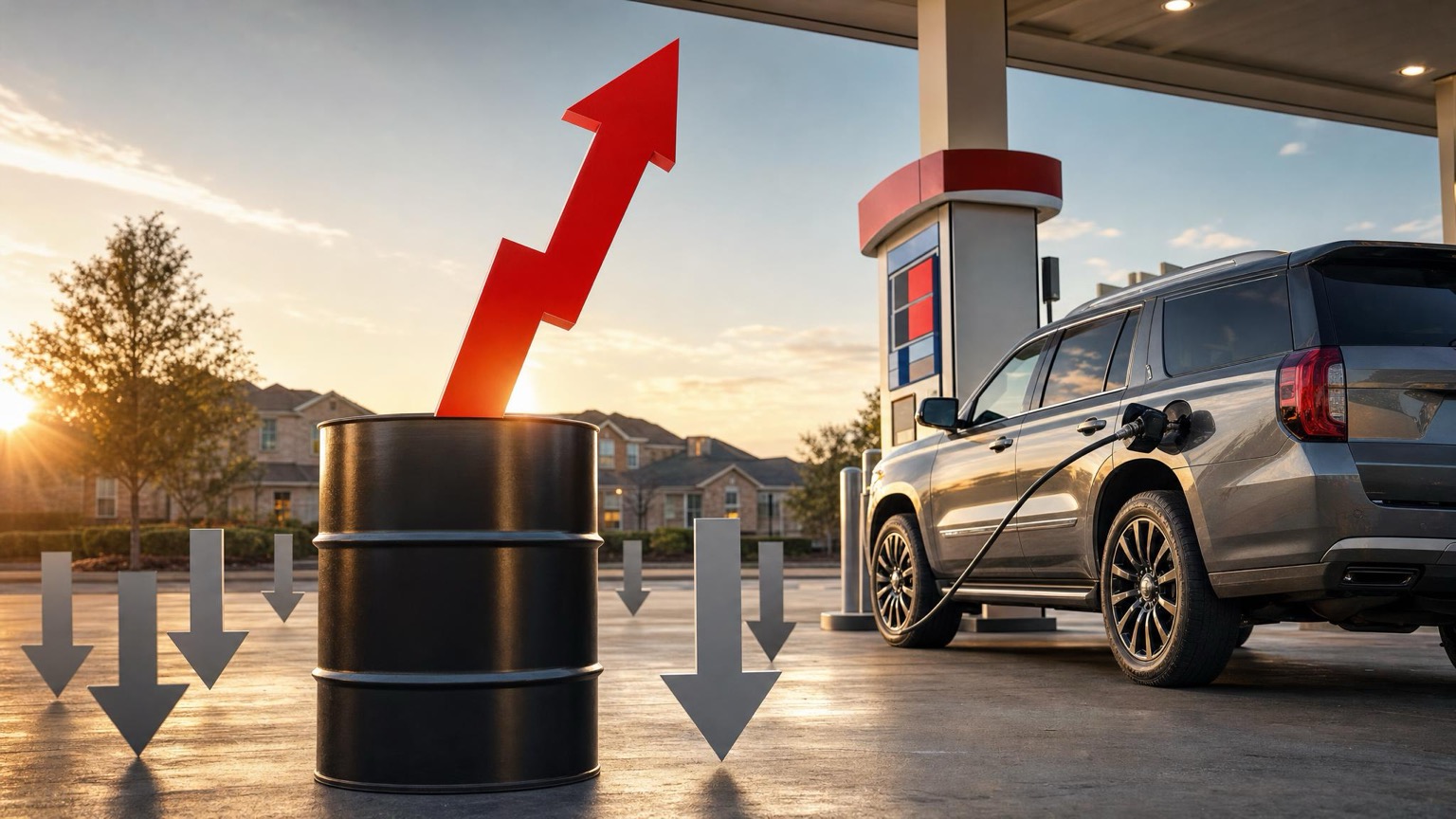
Inflation gave consumers a little breathing room in July, but not enough to change the affordability conversation overnight.
The latest Consumer Price Index report showed that U.S. inflation cooled slightly to 3.4 percent over the 12 months ending in July, down from 3.5 percent in June. Core inflation, which excludes food and energy, rose 2.5 percent over the year. Food prices rose 3.0 percent, and energy prices were still up 14.7 percent from a year earlier.
That energy number is one of the biggest takeaways from the report. Even when the headline inflation rate cools, higher energy costs can keep pressure on families and businesses because they flow through so many parts of daily life: gas, utilities, shipping, construction materials, vendor pricing, and operating expenses.
For households in Dallas-Fort Worth, that matters because inflation does not just show up at the grocery store or gas pump. It can affect mortgage rates, insurance costs, repair budgets, rent decisions, business expenses, and the confidence buyers and sellers bring into the market.
Why a Cooler Inflation Report Still Matters
A softer CPI reading can be helpful because inflation is one of the main numbers the Federal Reserve watches when deciding where interest rates should go next. When inflation is moving lower, the market often starts looking for signs that borrowing costs could eventually stabilize.
That does not mean mortgage rates automatically fall the same day inflation comes in cooler. Mortgage rates move with bond markets, Fed expectations, lender pricing, and broader economic risk. But a cooler inflation trend can help reduce some pressure if it continues.
The key phrase is "if it continues." One report is not a trend. Prices are still higher than many families want them to be, and elevated costs can keep buyers cautious even when the headline inflation number improves.
What This Means for Buyers
For buyers, the inflation story is really an affordability story. A home search is not only about the price of the property. It is also about the monthly payment, insurance, taxes, utilities, maintenance, and the cost of everything else competing for the household budget.
If inflation keeps easing, buyers may get a little more confidence. If mortgage rates respond over time, purchasing power could improve. But buyers should still run the numbers carefully and avoid stretching based on hope alone.
The best move is to shop with a realistic monthly-payment range, not just a purchase-price target. That helps buyers compare homes, neighborhoods, and loan options with fewer surprises.
What This Means for Sellers
For sellers, lower inflation can help buyer sentiment, but it does not erase affordability pressure. Buyers are still sensitive to payment, condition, insurance, and repair costs. That means pricing and presentation matter.
A well-prepared listing can stand out when buyers are cautious. Homes that feel move-in ready, clearly priced, and easy to understand may have an advantage over properties that require buyers to guess about repairs or future costs.
Sellers should also remember that today's buyers are often comparing the home against their full monthly budget. A smart pricing strategy can create more confidence and reduce the risk of sitting on the market.
What This Means for Commercial Clients
Inflation also matters for commercial real estate. Business owners, tenants, landlords, and investors are all watching costs closely. Lease terms, operating expenses, insurance, buildout costs, financing, and renewal decisions can all be affected when prices remain elevated.
For commercial clients, the opportunity is not just finding space. It is understanding the full cost of occupying, owning, improving, or investing in that space.
"Inflation is not just a residential issue," said Nate Galata, Managing Director, Commercial Real Estate at RJ Williams & Co. "Business owners and investors are looking at borrowing costs, insurance, buildout pricing, lease terms, and operating expenses all at once. Even when inflation cools a little, clients still need to understand the full cost of the decision before they move."
Ty Williams on the Local Market
"One of the biggest impacts we are seeing on people's pocketbooks right now is gas prices and energy costs altogether," said Ty Williams, founder of RJ Williams & Co. "Energy touches almost everything. It affects what families spend at the pump, what they pay for utilities, and even the cost of goods and services across the board. A cooler inflation report is encouraging, but families still feel that pressure every month, and it has a real impact on how people think about buying, selling, and planning for the future."
The Bottom Line
July's inflation report was a step in the right direction, but it was not a reset button. Prices remain elevated, and real estate decisions still need to be made with care.
For buyers, that means staying disciplined on payment. For sellers, it means pricing with today's affordability in mind. For commercial clients, it means reviewing the full cost of space, capital, improvements, and timing.
If inflation continues to cool, it could help confidence across the real estate market. Until then, the best strategy is simple: know your numbers before you move.
Sources
- Bureau of Labor Statistics: "Consumer Price Index Summary, July 2026"
- U.S. Congress Joint Economic Committee: "Inflation Update"
- US Inflation Calculator: "Current U.S. Inflation Rates: 2000-2026"
- Fox Business: "Inflation cooled in July but remained elevated as Fed weighs rate hikes"
This article is for general information only and is not financial, tax, legal, or lending advice. Always consult the appropriate professional for guidance on your specific situation.